

The Škoda rolling stock factory in Ostrava, located just a few dozen kilometers from the Polish border, can produce up to 250 train sets annually. The vast majority of the manufacturing process is carried out manually, without the use of complex automation. I witnessed this firsthand.
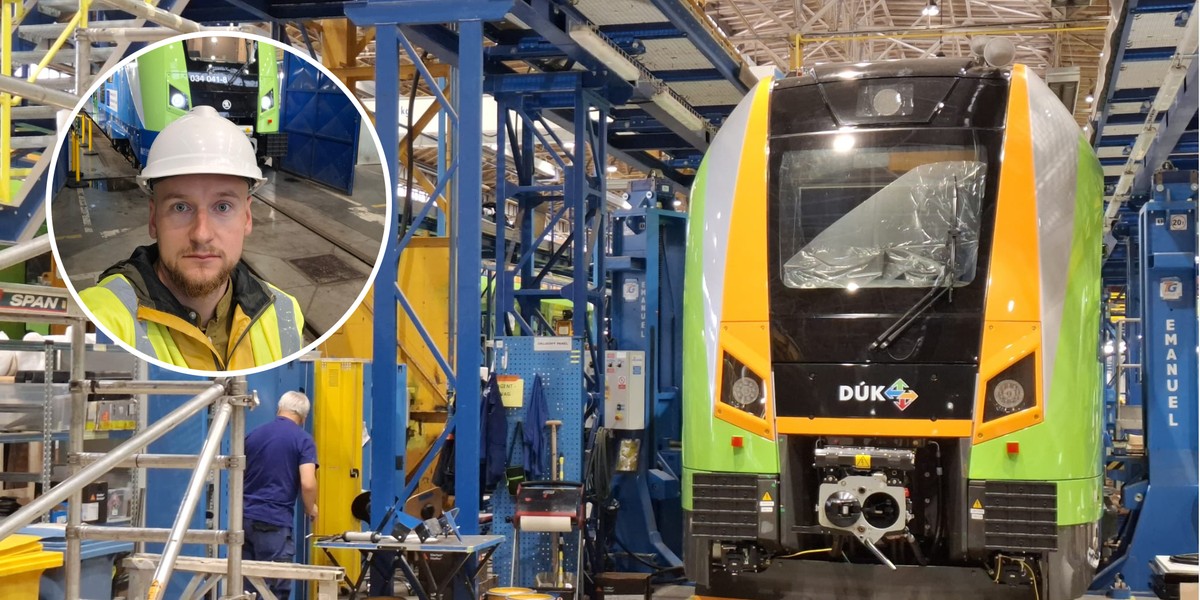
Upon entering the production hall, several workers are busy welding a wagon chassis. Simultaneously, at the next station, work is underway on the side panels, and a few meters away, a machine loudly cuts sheet metal that will be used for constructing the wagon roof.
This is the initial scene that catches my eye upon crossing the threshold into the Vagonka production plant in the center of Ostrava. This facility is located merely an hour’s drive from Katowice and a few dozen kilometers from the Polish border.
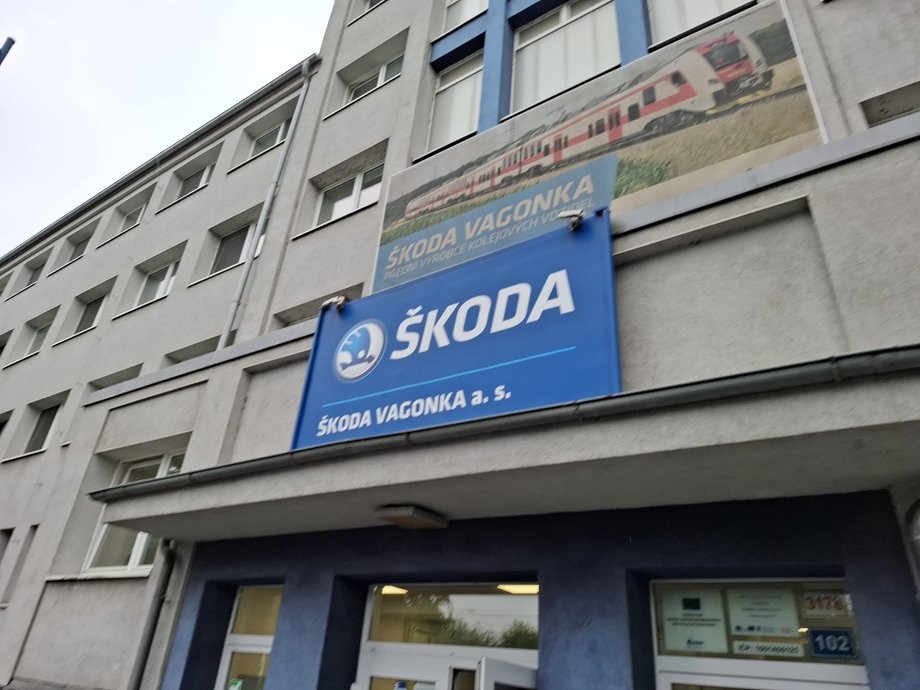
I inquire with Martin Bednarz, the head of the Ostrava factory, who is accompanying journalists during the site visit, whether Polish individuals are among the more than 1,000 employees.
— Surprisingly, no. Over the past few years, perhaps five people from your country have worked here. Our team consists mainly of Czechs, with a few Slovaks and around 30 Ukrainians — he replies.
Manual Labor
This is unexpected for me. Border regions are known for many Poles choosing to work in our southern neighboring country. However, something else during the factory visit surprises me even more.
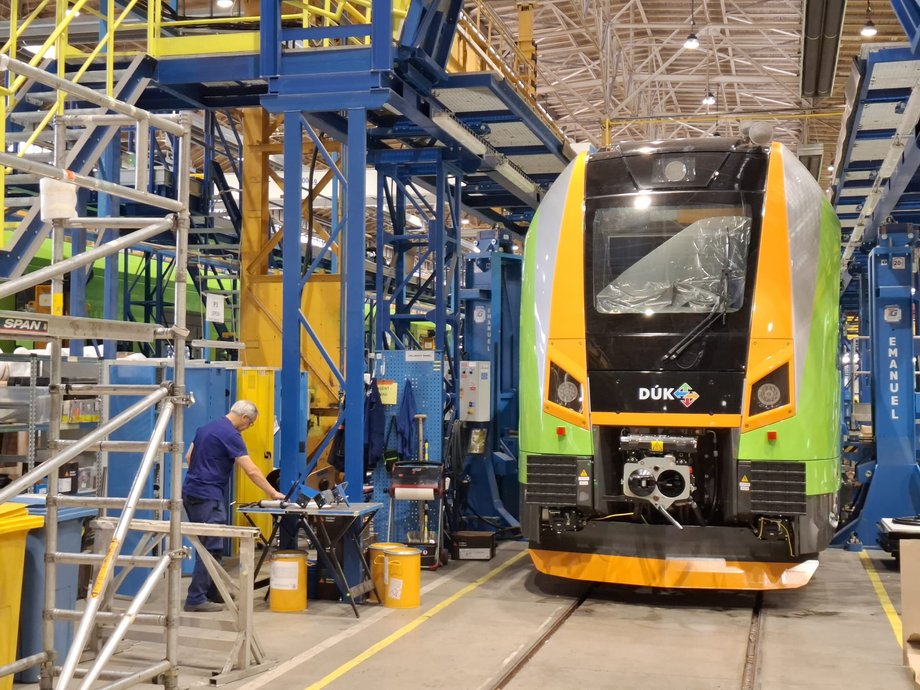
I mentioned the employees involved in welding the individual wagon parts. Further on, I observe a young man, along with several colleagues, diligently assembling all the components (floor, walls, and roof) into a single unit.
I proceed further, where another group of workers is sanding a fully assembled wagon. The next room? A slender man with a roller in his hand is painting the vehicle in Bulgarian national colors. As I learn later, a train for the Bulgarian railways is being assembled there today.
After moving to a separate hall, I see almost completed train sets, which several employees are polishing from the outside with cloths, while others are installing electrical systems, insulation, and seats inside.
The common denominator? Everything is handled by human beings. There is no excessive automation or advanced technology in sight.
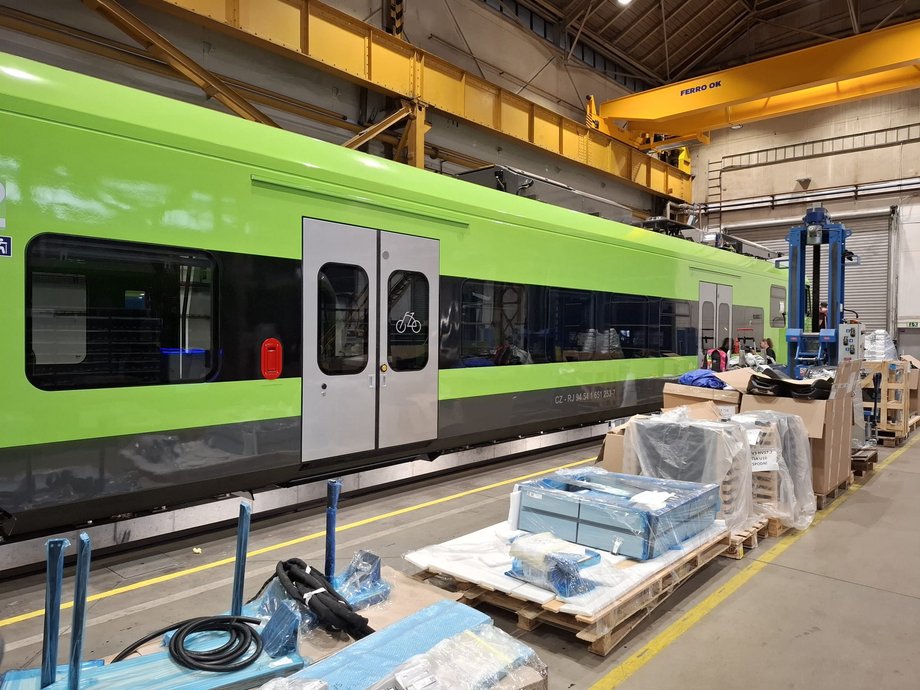
— Over 90 percent of production is manual. This is due to the specificity of the industry. Clients expect various things, making it difficult to standardize everything and automate the process. I can’t imagine it — says Martin Bednarz.
He adds that this particular factory produces, among others, trains that will later operate in Bulgaria, Estonia, and Latvia. — It often involves a few, a dozen, or several dozen train sets. Automating this process for each client individually could take longer than manual labor — states the factory manager.
This is how many trains leave the factory annually
After assembling the raw components, the train’s skeleton is moved out of one hall on rails, and then a special machine transfers the set to the appropriate location. It first goes to the paint shop and then to the final interior finishing.
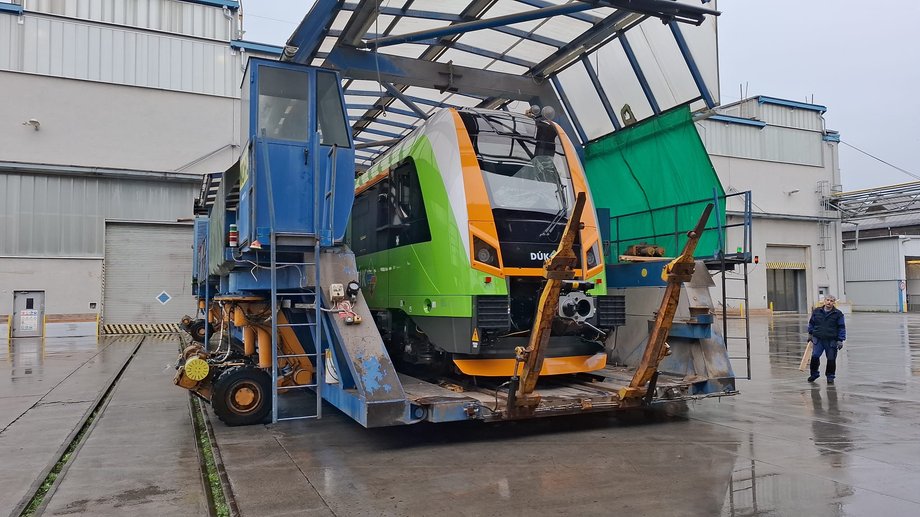
— On average, a finished product leaves our factory every four days. This gives us a production capacity of 250 train sets per year — says Martin Bednarz.
In addition to the hall I visited, there are three other production lines located a few kilometers away. The 250 train sets represent the total production capacity for all Ostrava production lines combined.
As the factory manager admits, in addition to Bulgaria, Estonia, and Latvia mentioned earlier, the plant produces many train sets for domestic tracks. This includes trains for both the state-owned operator and private companies like Arriva and RegioJet, recently known from Polish tracks.
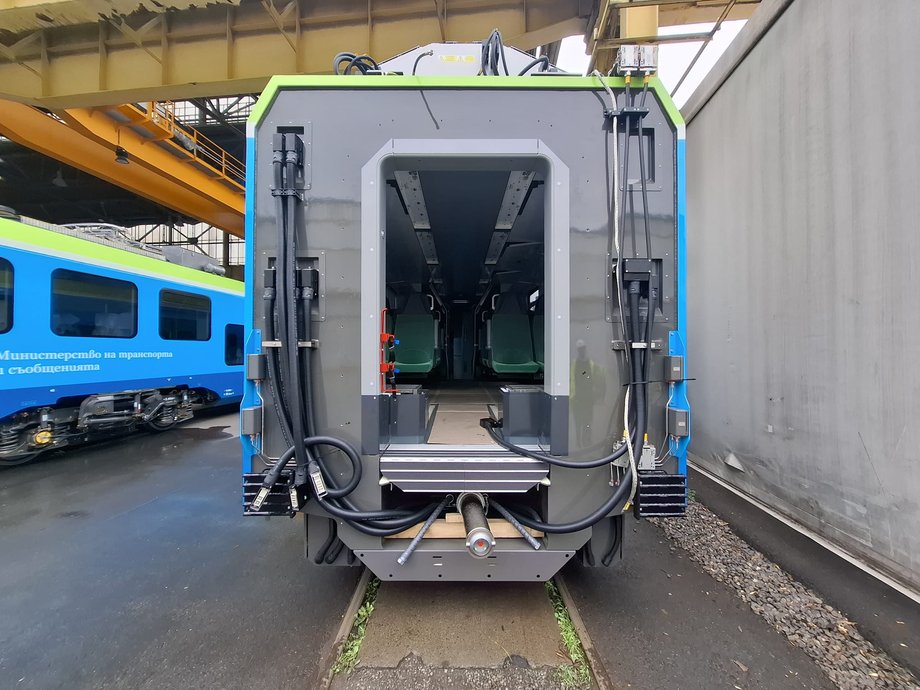
Further contracts include, among others, deliveries to Uzbekistan. However, Škoda is also targeting the Polish market, as recently mentioned by the company’s CEO Petr Novotný in Business Insider Polska.
— Poland is a model country when it comes to utilizing EU funds, which is evident everywhere. You only need to visit your country to see it. Nothing but congratulations are in order — he praised our country.
Thank you for reading our article to the end. Stay updated! Follow us on Google.