

The European Commission is open to modifications in the allocation of free CO2 emission allowances for industry. According to RMF FM, Brussels has committed to a swift review of the methodology if it proves too stringent for businesses.
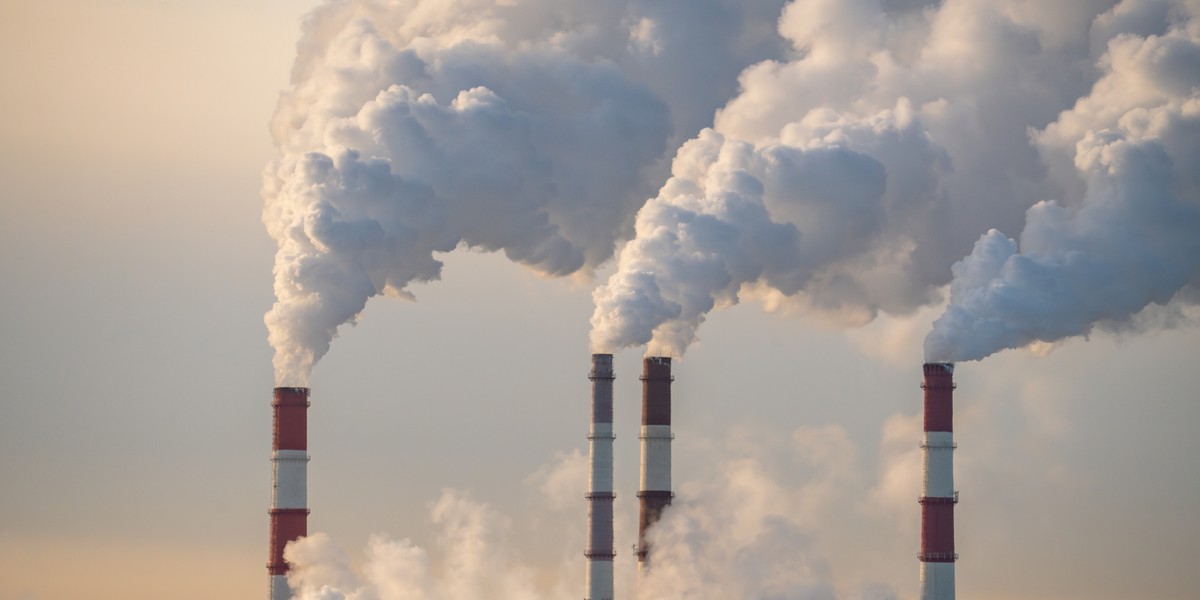
On Wednesday, European Union member states approved new CO2 emission benchmarks for industry, forming part of the EU emissions trading system (ETS). Poland, Italy, Lithuania, Latvia, and Malta voted against the European Commission’s proposal, while five other states abstained.
Continued article below video content Reform of KSeF is coming, should we be afraid? | Onet Rano Finansowo
- Read also: EU funds and Poland’s future. What are our MEPs fighting for in Brussels?
The new benchmarks are crucial for energy-intensive economic sectors as they determine the quantity of free CO2 emission allowances granted to companies. The stricter the criteria, the larger the portion of permits firms must purchase on the market, which directly leads to an increase in operational costs.
The European Commission sets the level of free allocations based on the performance of the 10% most efficient and least polluting industrial installations in the Union. This approach has been controversial for years among some countries and industry representatives, who point out that the requirements do not always reflect the realities of individual sectors.
EC Announces Methodology Review
As RMF FM has learned, in response to criticism, the European Commission has declared a swift review of the rules for calculating the benchmarks. — The EC has realized that it needs to improve the conditions for allocating free CO2 emission permits to industry — comments a high-ranking Polish diplomat to RMF FM.
According to the broadcaster’s interlocutor, Brussels has agreed to the possibility of changes even during the current system’s validity. This would mean a faster adjustment of the rules for granting free allowances, without the need for a full ETS reform.
- Read also: No NATO country is safe today. A leading commander reveals the threat
— We are awaiting amendments to the allocation of free allowances — emphasized the Polish diplomat.
Favorable Solution for Companies and Heating Sector
One of the most significant outcomes of the negotiations is expected to be the agreement that any easing of regulations will be retroactive. In practice, this means that companies will receive compensation for the period during which more stringent regulations were in force.
This solution is also intended to cover the heating sector, which has been warning for years about rising costs associated with the EU’s climate policy.
Industry Pressure Has Paid Off
Representatives of energy-intensive industries have been appealing for a change in the European Commission’s approach for months. As part of public consultations organized by Brussels, Polish companies have overwhelmingly submitted objections to the proposed benchmarks.
As companies indicated, overly strict regulations could lead to bankruptcies, production cutbacks, relocation of plants outside the European Union, and increased heating costs for consumers.
— The mobilization of Polish companies in the consultations has yielded results — assesses the RMF FM interviewee.
Brussels is expected to present a proposal for a revision of the ETS functioning rules as early as July 15.
Thank you for reading our article to the end. Stay up to date! Follow us on Google.